


Understanding gambling addiction a path to awareness and recovery
What is Gambling Addiction?
Gambling addiction, also known as compulsive gambling, is a behavioral disorder characterized by an uncontrollable urge to gamble despite the negative consequences. This condition can affect individuals from all walks of life, leading to financial ruin, strained relationships, and mental health issues. Recognizing the signs of gambling addiction is crucial for early intervention and recovery. Engaging with resources like https://pink-casino-online.co.uk/ can also provide insight into responsible gaming practices.
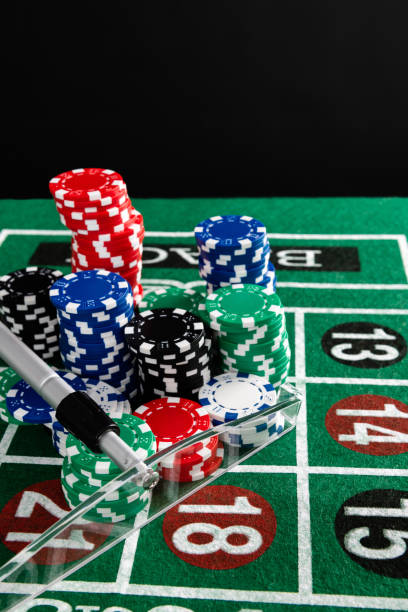
The addiction often stems from an initial thrill or excitement associated with gambling. However, over time, the need for that rush can escalate, resulting in a compulsive need to gamble, often leading to a cycle of debt and desperation. Understanding this cycle is vital for both individuals struggling with addiction and their loved ones.
Signs and Symptoms of Gambling Addiction
Identifying the signs of gambling addiction can be challenging, but several key indicators can help in recognizing the problem. Common symptoms include a preoccupation with gambling, the need to gamble with increasing amounts of money, and unsuccessful attempts to cut back or control the behavior. Individuals may also experience restlessness or irritability when attempting to stop gambling.
Moreover, people with gambling addiction often lie about their gambling habits or hide their activities from family and friends. This deceit can exacerbate feelings of guilt and shame, further entrenching the individual in their addiction. Awareness of these symptoms can empower individuals and their loved ones to seek help.
The Impact of Gambling Addiction
The repercussions of gambling addiction extend far beyond individual behavior. Financially, it can lead to severe debts, bankruptcy, and loss of assets, impacting not just the gambler but also their families and communities. Emotional and mental health consequences often include anxiety, depression, and an increased risk of suicide.
Relationships are frequently strained due to deceit and betrayal associated with gambling behavior. Families may experience breakdowns in trust and communication, leading to isolation for both the gambler and their loved ones. Understanding these impacts can foster empathy and encourage support for those struggling with addiction.
Pathways to Recovery
Recovery from gambling addiction is a multi-faceted process that often involves professional treatment, support groups, and lifestyle changes. Cognitive-behavioral therapy (CBT) has proven effective, helping individuals recognize harmful thought patterns and develop healthier coping mechanisms. Support groups like Gamblers Anonymous provide a sense of community and shared understanding.
In addition to therapy, it is essential for individuals to create a support network comprised of friends and family who can offer encouragement and accountability. Developing healthy hobbies and activities can also be beneficial in redirecting the focus away from gambling. Recovery is a journey that requires patience and commitment, but it is achievable.

Exploring Responsible Gambling Practices
For those who enjoy gambling as a form of entertainment, understanding and practicing responsible gambling is key to preventing addiction. This involves setting limits on time and money spent on gambling activities, as well as recognizing the signs of problematic behavior early on. Responsible gambling practices promote a safe and enjoyable gaming experience.
Online platforms, such as Pink Casino, often encourage responsible gambling by offering features like deposit limits, self-exclusion options, and access to support resources. By promoting a culture of responsibility, these platforms can help protect players from falling into the traps of addiction while still enjoying the thrill of gaming.